ICC Women’s Matches: 7 Best Ways to Follow Them
Every match in international women’s cricket falls into one of three formats, each with its own rhythm, strategy and significance. Understanding the differences — and knowing which fixtures carry extra weight beyond the scoreline — makes following the sport considerably more rewarding. Here’s everything you need to know about how ICC Women’s matches actually work.
The Three Formats
Test matches are the longest and rarest format in women’s cricket, played over up to four or five days depending on the series. Because so few Tests get scheduled compared to white-ball cricket, each one tends to carry outsized significance — a Test win is a genuinely uncommon achievement for most nations, and standout individual performances in the format are remembered for years given how infrequently the opportunity arises.
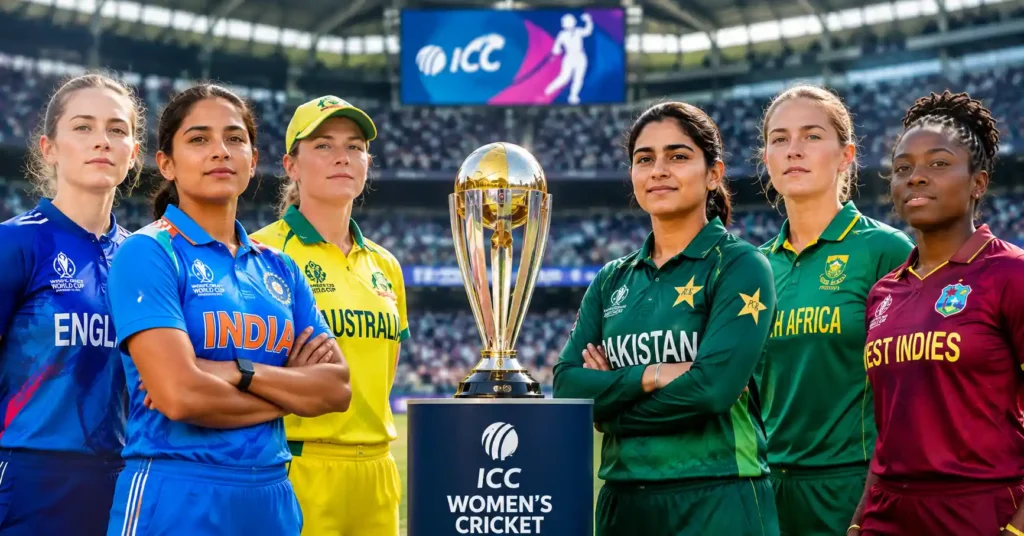
One Day Internationals (ODIs) are played over 50 overs per side and form the backbone of the ICC Women’s Championship qualification structure, which determines who reaches the World Cup. Most bilateral tours include an ODI leg, and ODI form is generally considered one of the clearest indicators of a team’s overall strength given how much more regularly it’s played than Test cricket.
Twenty20 Internationals (T20Is) are the shortest and most widely played format, with 20 overs per side and the fastest pace of scoring. T20I status has been extended to a much broader pool of ICC member nations than ODI status, making it the format where genuinely new cricketing nations are most likely to get international match experience.
Bilateral Series vs Tournament Cricket
Matches happen in two broad contexts. Bilateral series see one nation touring another for a set number of matches in a single format or a mix of formats — anywhere from a standalone three-match T20I series to a full multi-format tour including a Test, ODIs and T20Is. Tournament cricket, by contrast, groups multiple nations together in a single event with its own group stage and knockout structure, culminating in ICC global events like the World Cup or regional competitions like the Women’s Asia Cup.
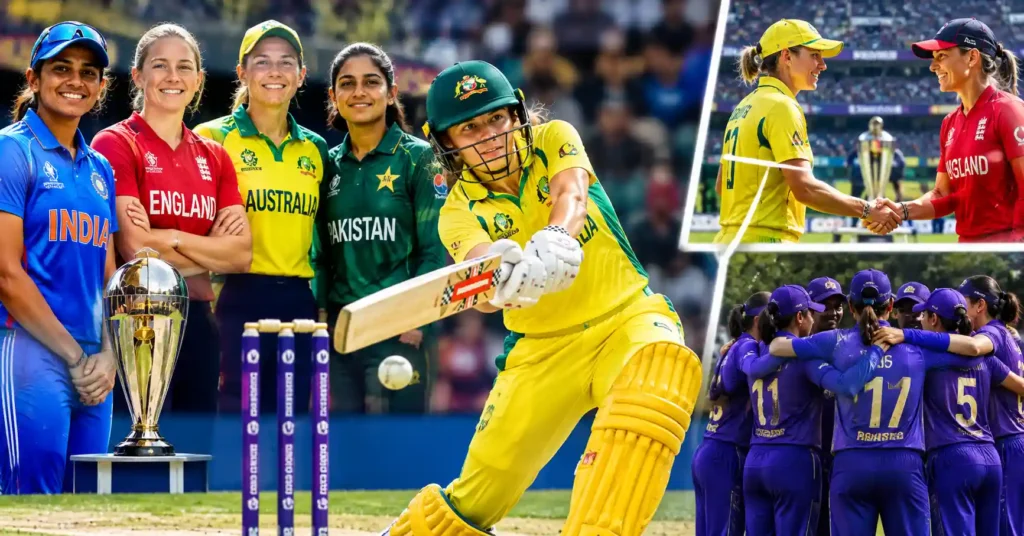
Some bilateral series carry extra structural weight — the Women’s Ashes between Australia and England, for instance, combines a Test, three ODIs and three T20Is into a single combined points race rather than three separate results, giving every match in the series direct bearing on the overall outcome.
Rivalries Worth Following Closely
A handful of fixtures consistently draw more attention than a typical bilateral match, regardless of the tournament context. India versus Pakistan carries significance well beyond cricket itself, drawing some of the largest broadcast audiences in the sport whenever the two nations meet. Australia versus England, through both the Women’s Ashes and regular ICC tournament meetings, remains one of the sport’s most storied rivalries — England have reached four T20 World Cup finals and lost all of them specifically to Australia. India versus Australia has also become a genuinely must-watch fixture in recent years, as both nations’ rise toward the top of the rankings has made their meetings increasingly competitive.
Where Matches Are Played
Match venues vary considerably depending on the series and host nation, ranging from major international stadiums with tens of thousands of capacity to smaller regional grounds used for less high-profile bilateral fixtures. Major ICC events tend to concentrate matches across a handful of marquee venues in the host country — the 2025 World Cup, for instance, was co-hosted across venues in India and Sri Lanka, while the 2026 T20 World Cup used grounds throughout England including Lord’s for the final.
Following Matches as They Happen
For fixture-by-fixture schedules, our ICC Women’s Schedule guide covers how the international calendar is structured. Once matches are underway, our ICC Women’s Live Score guide points you toward the best sources for ball-by-ball coverage, and our ICC Women’s Results guide covers how to keep track of outcomes across every major series and tournament.
For deeper context on the teams involved in any given match, our guides to India Women, Australia Women, England Women, South Africa Women and Pakistan Women cover each nation’s current squad and recent form, and our news section covers match reports and standout performances as they happen.
Frequently Asked Questions
What are the three formats of international women’s cricket? Test matches, One Day Internationals (ODIs, 50 overs per side) and Twenty20 Internationals (T20Is, 20 overs per side).
Why is Test cricket so rare in the women’s game? Test matches require significantly more scheduling commitment than white-ball cricket, and many boards prioritise ODI and T20I fixtures given their broader appeal and lower cost. Some nations have played only a handful of Tests in their entire history.
What’s the difference between a bilateral series and a tournament? A bilateral series involves two nations playing each other directly over a set number of matches, while a tournament groups multiple nations together in a group-stage and knockout format, such as a World Cup.
Which women’s cricket rivalry draws the most attention? India versus Pakistan consistently draws some of the largest broadcast audiences in the sport, regardless of the tournament context or either team’s current form.
How does the Women’s Ashes differ from a normal bilateral series? It combines a Test, three ODIs and three T20Is into a single combined points race rather than three separate series results, giving every match direct bearing on the overall outcome.