Smriti Mandhana: Best Guide to Her Career & 17 Centuries
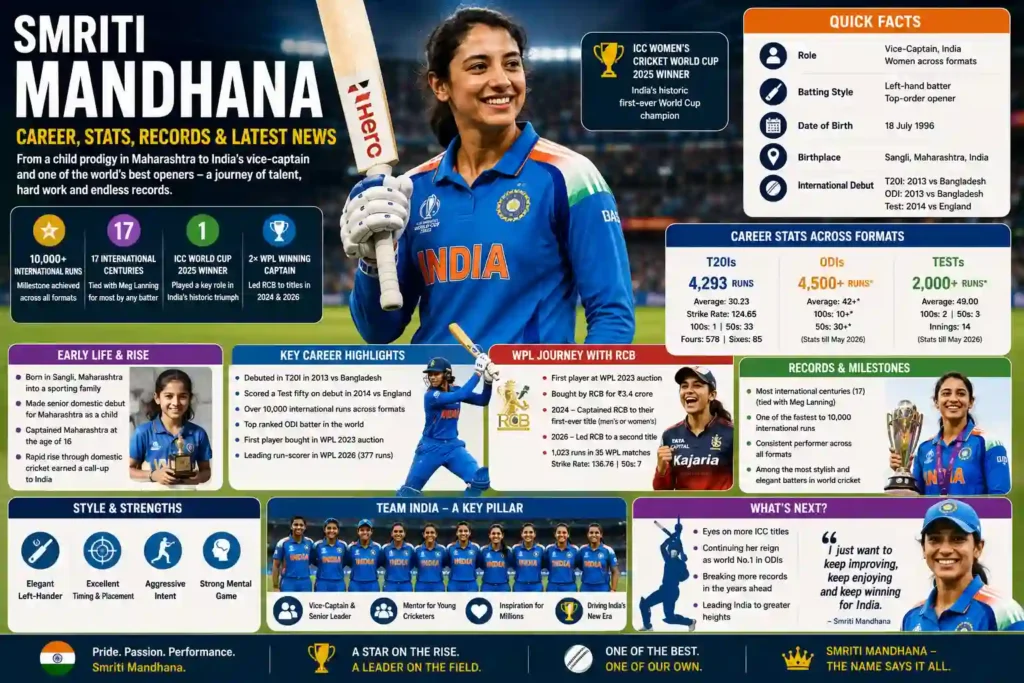
Smriti Mandhana: Career, Stats, Records & Latest News Few batters anywhere in the world combine elegance with genuine attacking intent the way Smriti Mandhana does. From a child prodigy playing state cricket in Maharashtra to India’s vice-captain and one of the most feared openers in the sport, her career has become one of the defining stories of the last decade in women’s cricket. Here’s the complete picture of where she stands right now, statistically and otherwise, covering the records, the captaincy, the World Cup win, and everything in between. Early Life and Rise Through Domestic Cricket Mandhana was raised in Sangli, Maharashtra, in a family with a genuine sporting background that shaped her early exposure to the game. Her talent was obvious from a young age — she made her senior domestic debut for Maharashtra as a child, well before most players even begin serious competitive cricket, and was captaining the state side by the age of 16. That rapid rise through domestic cricket brought national selectors’ attention quickly, and it wasn’t long before she was representing India at the international level. A Family Built Around the Game Cricket wasn’t something Mandhana discovered on her own — it was woven into her upbringing from the start, with her family’s own sporting background giving her both early exposure and genuine encouragement to pursue the game seriously at a time when structured pathways for young girls in Indian cricket were far less developed than they are today. That early support mattered considerably, given how few formal opportunities existed for young female cricketers in the sport a generation or two ago compared to the professional pathways available now, when a player showing similar early promise can look forward to age-group national camps, franchise scouting and central contract pathways that simply didn’t exist when Mandhana herself was coming through the ranks. Her progression from playing in local lanes and maidans around Sangli to representing Maharashtra, and eventually India, tracks closely with the broader growth of structured women’s cricket in the country over the same period — a young player benefiting from steadily improving domestic infrastructure just as that infrastructure itself was starting to take shape more seriously across Indian cricket boards, decades before anything resembling the professional pathways and central contracts available to today’s young players existed in anything like their current form. International Debut and Early Career Mandhana debuted for India in 2013, playing a T20I against Bangladesh as a teenager, with her ODI debut following just days later. A Test cap arrived the following year, in 2014 against England at Wormsley, where she immediately showed the temperament that would come to define her career, scoring a half-century on debut. That kind of composure straight out of the gate — performing under pressure in her very first Test innings — was an early sign of the mental game that’s underpinned her rise to the top of world cricket ever since. A Batting Style Built on Timing What separates Mandhana from many of her contemporaries is how she scores her runs. She bats with the classical elegance often associated with stylish left-handers, relying on timing and placement rather than pure power for much of her scoring — though she’s added genuine hitting ability to her game over the years, giving her the full range needed to succeed across all three formats. That blend of technique and aggression has made her one of the more watchable batters in the sport, equally capable of anchoring an innings or accelerating when a situation demands it. Career Stats Across Formats Mandhana’s numbers hold up across every format she plays. In T20I cricket, she’s amassed 4,293 runs at an average of 30.23, including one century and 33 half-centuries, scored at a strike rate of 124.65 with 578 fours and 85 sixes along the way — a genuinely rare combination of consistency and power in the shortest format. Her Test record, while built across fewer matches given how rarely women’s Test cricket gets scheduled, is equally impressive: two centuries and three half-centuries in just 14 innings, at an average of 49 — figures that place her among the more reliable Test batters in the modern women’s game despite the format being a much smaller part of her overall workload compared to white-ball cricket. Across her career, she’s now passed the milestone of 10,000 international runs across all three formats combined, a figure only a small handful of players in the history of the women’s game have reached. She’s also currently tied with Australia’s Meg Lanning for the most international centuries by any batter, both sitting on 17 — a shared record that, with Lanning now retired and Mandhana still playing, may not stay tied for very long. For more on where that record sits alongside the sport’s other major milestones, our guide to women’s cricket rankings and records covers the full picture of who holds what across the game’s history. Where ODI Cricket Fits In If T20Is showcase her power and Tests show her patience, ODI cricket is arguably where Mandhana’s game is at its most complete. It’s the format where she’s spent recent years building some of her most significant career milestones, including century-scoring performances during India’s run to the 2025 World Cup title — innings built on the same technical foundation that’s underpinned her entire career, but with the licence to accelerate once she’s set herself at the crease. Her rise to the top of the ICC’s Women’s ODI batting rankings reflects that format-specific strength directly, and it’s arguably the clearest statistical evidence of just how dominant a batter she’s become at this stage of her career. That kind of format versatility — genuinely excelling across Tests, ODIs and T20Is rather than being a short-format specialist who happens to also play the other formats — is increasingly rare in the modern game, where many top white-ball players see limited Test opportunities and, in turn, limited chances to develop that side of their game. Mandhana’s ability to adjust
England Women Cricket: Best Guide to Squad & History 2026
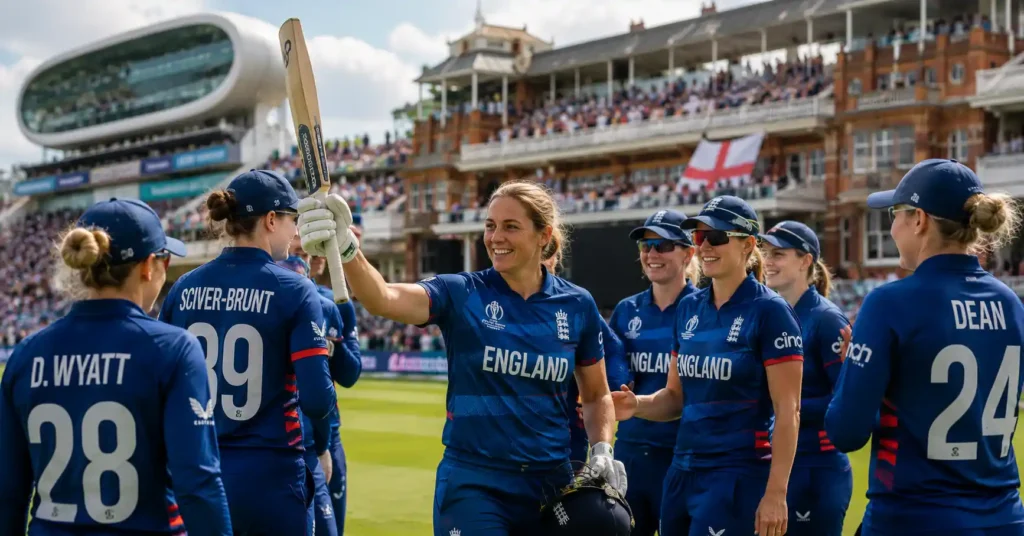
England Women Cricket Team: Squad, Rankings, Records & Latest News Few teams have had a summer quite as emotionally charged as England Women’s 2026. Hosting a home T20 World Cup, going unbeaten through to the final at Lord’s, and falling agonisingly short against the one opponent that’s denied them a title more often than any other — Australia. Here’s the complete picture of where England stand right now, on the back of one of the more dramatic campaigns in the program’s recent history, covering the leadership group, the squad, and the storyline that’s followed this team for over a decade. Leadership and Current Setup Nat Sciver-Brunt captains England across formats, leading the side at her seventh Women’s T20 World Cup in 2026 — a remarkable run of tournament experience that made her one of the most seasoned captains in the competition. Charlie Dean serves as her vice-captain, while Charlotte Edwards took over as head coach ahead of the tournament, bringing a unique personal connection to the role given she captained England to their only T20 World Cup title back in 2009, in the same country hosting the 2026 edition. That connection between past and present added an extra layer of emotional weight to England’s campaign — a coach who knows exactly what winning this specific tournament on home soil means, working with a captain determined to add a second title to a cabinet that’s remained stuck on one for far too long by England’s own standards. England’s Domestic Pathway England’s player development runs through a regional domestic structure built around eight professional teams, feeding into The Hundred Women’s Competition each summer as the marquee domestic showcase. We’ve covered that competition’s own format and history in detail in our guide to The Hundred Women, which is worth reading alongside this one — most of England’s current squad plays regularly in that tournament, giving selectors a genuinely reliable proving ground for fringe players pushing for full international honours. That structure has evolved considerably over the past decade, moving from a smaller regional setup toward the fully professional pathway that exists today, with contracted players now able to build a career around domestic and international cricket in a way that simply wasn’t financially viable for English players a generation ago. The ECB’s willingness to invest heavily in that pathway is a big part of why England have remained competitive with Australia’s much deeper structural advantages for as long as they have. Where England Sit in the Rankings England are currently ranked second in both the ICC Women’s ODI and Women’s T20I team rankings, sitting just behind Australia at the top of both formats. For the latest standings across all three formats, our rankings page tracks exactly where England and every other nation currently sit, and our guide to how the ranking system works breaks down the mechanics behind how those weekly rankings get calculated. A Painfully Familiar Story at the T20 World Cup England’s history at the Women’s T20 World Cup carries a specific, recurring theme: Australia. England have won the tournament just once, back in 2009, but have reached three other finals since — in 2012, 2014 and 2018 — losing every single one of them to Australia. The 2026 edition, played on home soil with genuinely enormous public and broadcast attention, added a fifth chapter to that story: England went unbeaten through their group and the knockouts to reach the final at Lord’s, only to lose to Australia once again on July 5, 2026. That result means England’s overall record in T20 World Cup finals now stands at one win and four losses, with Australia responsible for every single one of those defeats. It’s the kind of pattern that’s become genuinely difficult for English fans to watch play out again and again, regardless of how well the team otherwise performs across a given tournament. The Ashes Rivalry Runs Alongside the World Cup Story England’s relationship with Australia extends well beyond T20 World Cup finals, of course — the two nations also contest the Women’s Ashes, a multi-format points-based series that’s become one of the most keenly followed rivalries in the sport. We’ve covered exactly how that points system works in our Women’s Ashes explainer, which is worth reading for context on just how frequently these two teams end up measuring themselves against each other across a typical multi-year cycle, well beyond the ICC events themselves. That constant collision — bilateral Ashes series layered on top of regular meetings at global tournaments — means the rivalry rarely gets a chance to cool off between fixtures. Every squad announcement, every warm-up match and every ICC draw gets viewed partly through the lens of when England will next get a genuine shot at finally turning one of these near-misses into a win over their oldest and most successful rival. The 2026 Squad and Campaign England named an 18-year-old spinner, Tilly Corteen-Coleman, in their squad for the 2026 tournament, one of three uncapped players named alongside pace bowlers Issy Wong and Lauren Filer — a deliberate blend of proven tournament experience and fresh talent. Veteran batter Danni Wyatt-Hodge featured in her eighth edition of the tournament, underlining just how much collective experience England’s squad carried into the summer, with the group’s combined T20I caps reportedly exceeding 960 by the time the tournament began. Placed in Group 2, England opened their campaign against Sri Lanka at Edgbaston before facing Ireland, Scotland, West Indies and New Zealand, progressing through the group stage before beating South Africa in the semi-final to set up the final against Australia. Sciver-Brunt spoke ahead of the tournament about how much winning under Heather Knight’s captaincy at the 2017 ODI World Cup had meant to her personally, and about wanting to replicate that feeling with this specific group — a goal that, despite the group’s best efforts, remained just out of reach once again. England’s Broader Record Beyond the T20 format specifically, England’s overall World Cup history is considerably stronger. The team
The Hundred Women: Best Guide to 8 Teams & Winners
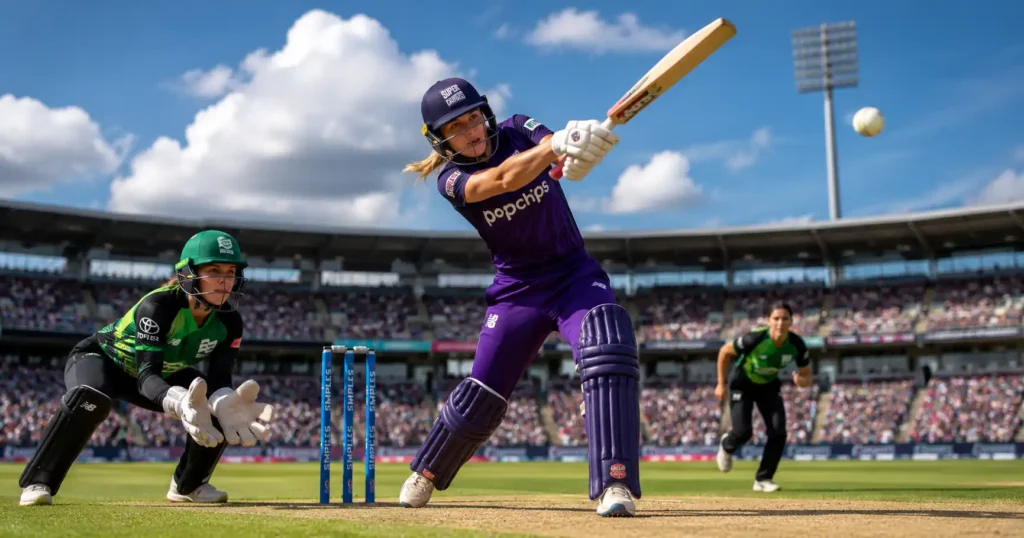
The Hundred Women: Complete Guide to Teams, Format & Winners Five seasons in, The Hundred Women’s Competition has settled into something genuinely distinctive on the women’s cricket calendar — not quite T20, built around a ball-counting format that splits opinion among traditionalists, but undeniably effective at drawing new crowds into English cricket grounds. With the 2026 season currently underway across England and Wales, here’s the complete picture of how the competition works, who’s won it, and where things stand this year. What Makes The Hundred Different The Hundred is a franchise cricket competition run by the England and Wales Cricket Board, featuring eight city-based teams for both a men’s and a women’s tournament played in parallel. What sets it apart from T20 or any other white-ball format is the ball-counting system itself: instead of overs of six balls each, each innings consists of 100 balls total, delivered in blocks of five (with the option for a bowler to deliver ten in a row from one end). Bowlers can switch ends after every set of five balls, and there’s a strategic timeout built into each innings — small tweaks, but ones that change the rhythm of an innings compared to a standard T20 match. The format was designed deliberately to strip away some of cricket’s more confusing conventions for newcomers — a straightforward ball countdown rather than tracking overs, and match lengths kept short enough to fit a broadcast window comfortably. Whether that trade-off is worth it remains a genuine debate among fans, but there’s little argument about its effect on attendances — women’s matches in this competition have regularly drawn some of the biggest crowds seen anywhere in the women’s domestic game. The Tactical Wrinkles That Make It Different Beyond the basic ball-counting gimmick, the format actually creates some genuinely interesting tactical decisions that don’t exist in a standard T20 match. The ability to bowl ten balls in a row from one end, rather than being capped at six, means a bowler having a great day can stay on far longer than a T20 captain would ever allow, potentially bowling a full fifth of the innings themselves if the numbers work out and the captain trusts them enough. That changes bowling changes strategy considerably — teams can build an entire bowling plan around a single standout performer in a way six-ball overs simply don’t permit. The single strategic timeout per innings, usually taken by the fielding side, also adds a tactical beat that doesn’t exist in T20 cricket, giving captains a formal pause to regroup and reset field placements at a moment of their choosing rather than only between overs. Small details like these are part of why some current and former players have actually come to prefer the format once they’ve played enough of it, even if the initial reaction from traditionalists tended to be skeptical. The Eight Teams Every team in The Hundred is named after or closely tied to a host city, sharing venues and, in most cases, general branding with the equivalent men’s franchise: Each squad blends contracted England players with an international overseas contingent, giving the competition a genuinely global player pool despite being a domestic English tournament at its core. Squads are assembled through a mix of central retentions and an annual draft process, which means, much like the WPL’s auction system, rosters can shift meaningfully from one season to the next as teams balance retaining their most valuable players against bringing in fresh overseas talent. Every Season’s Winner So Far 2021 — Oval Invincibles. The inaugural champions beat Southern Brave comfortably by 48 runs in the first-ever Hundred Women’s final, setting the tone for what became an early run of dominance. 2022 — Oval Invincibles. The Invincibles went back-to-back, beating Southern Brave again — this time by five wickets — with Suzie Bates leading the batting and emerging bowlers like Alice Capsey making an early mark. 2023 — Southern Brave. After two runner-up finishes, Southern Brave finally broke through, beating Northern Superchargers by 34 runs behind a dominant campaign from bowler Georgia Adams, who took a tournament-high 16 wickets that season. 2024 — London Spirit. Spirit’s maiden title came via one of the more dramatic routes in the competition’s history — a rain-affected group game handed them a crucial point, they then beat two-time champions Oval Invincibles by eight wickets in the Eliminator, before completing the run with a four-wicket win over Welsh Fire in the final under Heather Knight’s captaincy. 2025 — Northern Superchargers. Superchargers claimed their first title, beating Southern Brave by seven wickets in the final under Hollie Armitage’s leadership, with Phoebe Litchfield named Player of the Tournament for her consistent performances with the bat throughout the campaign. That gives Oval Invincibles the most titles with two, though four different franchises have now won the competition across its first five seasons — a spread that suggests the tournament hasn’t settled into the kind of one or two-team dominance that’s emerged in some other franchise leagues, and it’s part of why the competition draws genuine neutral interest each year rather than fans simply expecting the same one or two teams to contest the final again. Inside the 2026 Season The 2026 edition is currently underway, with matches running through late July and into early August across all eight host venues. As things stand, early standout performances have included Georgia Voll’s strong tournament with the bat for Welsh Fire, Sophia Dunkley’s form at the top of the order for Trent Rockets, and Sophie Devine continuing to be a dangerous presence for Welsh Fire near the top of the run charts. On the bowling side, Marizanne Kapp has been among the tournament’s most economical performers for London Spirit, while Sophie Molineux has picked up wickets consistently for Southern Brave. The finals day, as always, will be held at Lord’s, continuing the tradition established since the competition’s first season of using the home of cricket as the stage for both the men’s and
Women’s Premier League: 4 Essential Seasons, Best Guide
Women’s Premier League: The Complete Guide to WPL Cricket In just four seasons, the Women’s Premier League has gone from a genuine experiment to arguably the most important club competition in the sport. It’s reshaped how Indian players develop, given international stars a lucrative new stage to play on, and produced one of the most oddly specific rivalries in franchise cricket — a Delhi Capitals side that has reached every single final so far and lost every single one. Here’s the full picture of how the WPL works, what’s happened across its four seasons, and why it’s become such a big deal for the sport as a whole. What the WPL Actually Is The Women’s Premier League is a franchise Twenty20 competition organised by the Board of Control for Cricket in India, effectively serving as the women’s counterpart to the IPL. It launched in 2023 as the successor to the Women’s T20 Challenge — a much smaller exhibition tournament that ran from 2018 to 2022, starting as a single match and gradually expanding to a three-team, four-match event before the BCCI committed to a full standalone league. Five franchises currently compete: Mumbai Indians, Royal Challengers Bengaluru, Delhi Capitals, Gujarat Giants and UP Warriorz. Each of those franchises shares ownership or branding with an existing IPL team, giving the league an instant head start in terms of fan recognition and marketing infrastructure that a completely new set of franchises wouldn’t have had — a deliberate decision by the BCCI to build audience familiarity into the league from day one rather than asking fans to invest in entirely unfamiliar brands. How the Tournament Format Works The WPL follows a double round-robin format among its five teams, meaning every franchise plays every other franchise twice during the league stage. Since 2026, that group stage runs on a fixed window in the international calendar between January and February, giving the tournament a settled place in the schedule rather than shifting around other commitments the way its first three editions did. Once the round-robin stage wraps up, the team finishing on top of the table qualifies directly for the final. The second and third-placed sides then meet in an Eliminator, with the winner of that match advancing to face the table-toppers in the final itself. It’s the same basic structure used by the IPL and several other major T20 leagues, designed to reward consistent performance across the group stage while still leaving the door open for a team that peaks at the right moment. Every WPL Season So Far 2023 — Mumbai Indians. The inaugural season saw Mumbai Indians claim the first title, setting the tone for what’s become one of the league’s two dominant franchises. 2024 — Royal Challengers Bengaluru. RCB claimed their first title in the second edition, beating Delhi Capitals in the final — the first of what’s become an unfortunate pattern for Delhi. 2025 — Mumbai Indians. Led by Harmanpreet Kaur and powered by performances from Nat Sciver-Brunt, Amelia Kerr and Shabnim Ismail, Mumbai Indians became the first franchise to win the title twice, beating a Meg Lanning-led Delhi Capitals side by eight runs in the final after finishing second in the league stage and coming through the Eliminator against Gujarat Giants. 2026 — Royal Challengers Bengaluru. RCB finished on top of the table in the fourth edition and completed a six-wicket chase in the final to beat Delhi Capitals once again, with Smriti Mandhana named Player of the Match. It was RCB’s second title in four seasons, drawing them level with Mumbai Indians at the top of the all-time standings. That leaves the head-to-head record after four seasons remarkably tidy: Mumbai Indians and Royal Challengers Bengaluru have won two titles apiece, and between them they’ve claimed every single WPL trophy so far. Standout Performers Across the League’s History A handful of players have established themselves as the league’s defining figures across its four seasons. Smriti Mandhana has been a fixture near the top of the run-scoring charts nearly every year, and her Player of the Match performance in the 2026 final added another signature moment to a résumé that’s made her one of the tournament’s most consistent match-winners. Overseas stars have also left a significant mark on the competition — the likes of Nat Sciver-Brunt and Amelia Kerr have been central to Mumbai Indians’ two title wins, while Meg Lanning’s captaincy stint at Delhi Capitals, even without a trophy to show for it, has been widely credited with helping establish the franchise as a perennial contender rather than making finals purely on individual brilliance. On the bowling side, spinners have generally had the upper hand across most WPL seasons, reflecting a broader trend in T20 cricket on Indian surfaces, though genuine pace has had its moments too, with overseas quicks bringing a different kind of threat that’s occasionally proven decisive in tighter run-chases. The auction system means these players don’t always stay with the same franchise year after year, which adds an extra layer of intrigue each season as fans wait to see which combinations of star players end up on the same roster. A Quick Look at Each Franchise Mumbai Indians have been the league’s most consistently successful franchise, with two titles from four seasons under Harmanpreet Kaur’s captaincy, built around a strong overseas core that’s included Nat Sciver-Brunt and Amelia Kerr. Royal Challengers Bengaluru matched that success with their own two titles, anchored by Smriti Mandhana’s batting and a squad that’s generally balanced overseas power-hitting with reliable Indian spin options. Delhi Capitals remain the league’s most consistent finalists without a trophy, reaching every final so far behind strong top-order batting but coming up short at the final hurdle each time. Gujarat Giants have yet to reach a WPL final, though the franchise has produced competitive seasons and remains one of the two teams still chasing a first appearance in the title match. UP Warriorz round out the five franchises, also still searching for their first final appearance,
Pakistan Women Cricket Team: Best Complete 2026 Guide
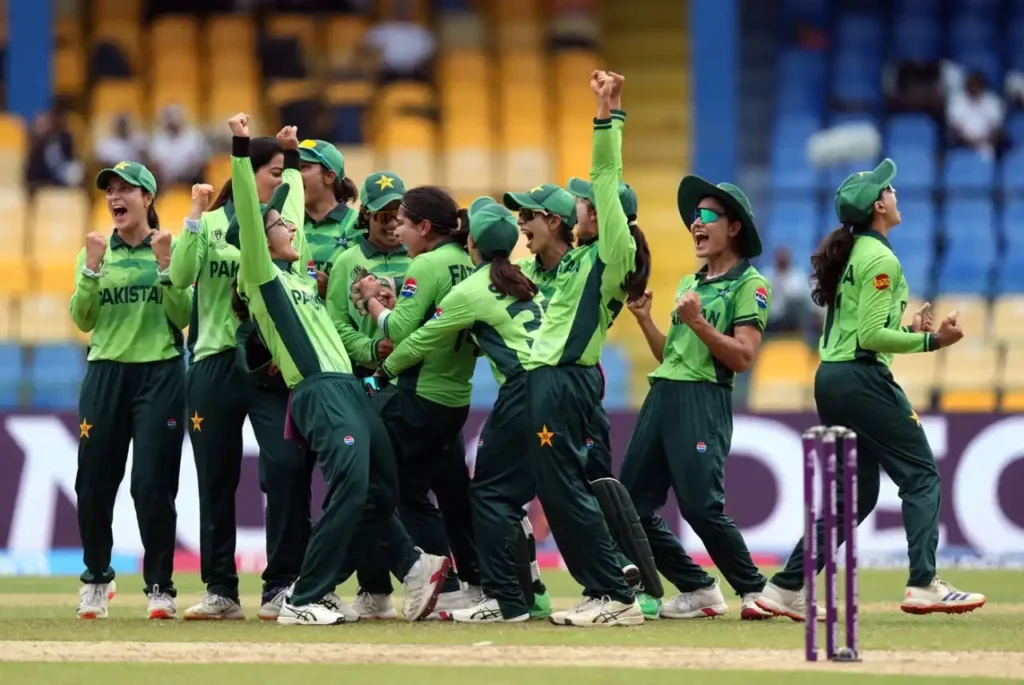
Pakistan Women Cricket Team: Squad, Rankings, Records & Latest News Pakistan Women’s cricket program tells a genuinely different story from the sport’s traditional powerhouses. The team is still building the kind of consistency that lets it compete deep into major tournaments, but it’s also produced individual talents good enough to trouble any side in the world on their day, and it’s steadily gaining ground through a growing domestic structure. Here’s the complete picture of where the Women in Green stand right now — the leadership, the history, the recent results, and the players carrying the program forward. Leadership and Current Setup Fatima Sana, a 24-year-old all-rounder, continues to lead Pakistan across formats, having captained the side at back-to-back T20 World Cups in 2024 and 2026. Former Test cricketer Wahab Riaz has taken on the role of team mentor and head coach for major tournaments, working alongside Taufeeq Umar as batting coach and Kamran Hussain as bowling coach, with Nahida Khan serving as team manager. That coaching setup has leaned heavily on bringing in experienced former internationals in specialist roles — a pattern that’s become increasingly common across Pakistan’s cricket structure as the board looks to fast-track development using coaches who’ve competed at the highest level themselves. The Program’s Early Years Pakistan Women’s cricket history stretches back further than many fans realise, though the team spent a long stretch of its early existence well outside the sport’s competitive mainstream. The side made its Women’s ODI debut in early 1997 against New Zealand, and played in the 1997 World Cup in India shortly afterward. What followed, though, was a long gap — Pakistan didn’t qualify for another World Cup until the 2009 edition in Australia, a stretch of over a decade during which the team was widely regarded as one of the least competitive full members in the women’s game. The mid-to-late 2000s and early 2010s brought additional challenges beyond the field. Rising security concerns in the region led most touring nations to avoid playing in Pakistan for an extended period, forcing the team to play the bulk of its home fixtures at neutral venues. That changed gradually over the past decade as security conditions improved, with Bangladesh, West Indies, Sri Lanka, Ireland and South Africa all returning to tour Pakistan since 2015 — a meaningful step in normalising home fixtures for a program that had gone without them for years. Where Pakistan Sit in the Rankings Pakistan currently sit eighth in both the ICC Women’s ODI and Women’s T20I team rankings, reflecting a program that’s competitive against sides ranked around and below them but still finds the gap to the top four or five teams difficult to close consistently. For the latest standings across every format, our rankings page tracks where Pakistan and every other nation currently sit, and our guide to how the ranking system actually works breaks down exactly how those positions get calculated. A Complicated Test Cricket History One of the more striking facts about Pakistan Women’s international record is how little Test cricket the team has actually played. Pakistan earned Test status in 1998 and played their first match against Sri Lanka that same year, but the side has featured in just three Test matches in its entire history, with the most recent coming against West Indies at Karachi’s National Stadium all the way back in 2004. That means Pakistan Women haven’t played a single Test match in more than two decades — a reflection of how limited red-ball opportunities have historically been for most nations outside the small handful of countries that schedule women’s Tests regularly. The 2026 T20 World Cup Campaign Pakistan’s most recent major tournament didn’t go the way the team would have wanted. Drawn into a difficult Group 1 alongside title contenders Australia, India and South Africa, Pakistan lost their first three matches of the 2026 ICC Women’s T20 World Cup, including a 64-run defeat to arch-rivals India at Edgbaston, before a heavy loss to Bangladesh in Southampton confirmed their elimination from semi-final contention with two group games still to play. Pakistan did finish the tournament on a positive note, picking up a win over Netherlands in their final group match — their first win at this particular World Cup and, notably, only their third T20 World Cup victory in fifteen matches stretching back to a win over West Indies in 2020. Coach Wahab Riaz was candid about his disappointment with the campaign’s overall trajectory afterward, though context matters here: Pakistan have never reached the knockout stage of a women’s ICC global event, and being drawn into a group with three genuine title contenders out of six teams, with only two spots available for the semi-finals, left the team with a difficult path from the outset. A Consistent T20 World Cup Presence, Without the Breakthrough Despite the historical lack of Test cricket and the slow start to their ODI journey, Pakistan have actually appeared in every single edition of the ICC Women’s T20 World Cup held to date, giving the team a far more consistent presence in that particular format than their overall global standing might suggest. That consistency simply hasn’t translated into knockout results — across the last five editions of the tournament, Pakistan have won just one match apiece, typically finishing second-from-bottom in their group each time. That pattern makes the program something of an outlier compared to teams with similar overall rankings, since regular tournament qualification without a corresponding breakthrough tends to raise different questions than missing out on events altogether. For Pakistan specifically, the conversation among fans and analysts has increasingly shifted toward squad depth and conversion — turning competitive periods within matches into complete wins — rather than simply reaching the tournament in the first place. The India Rivalry As with every team in the region, Pakistan’s matches against India draw disproportionate attention regardless of the tournament stakes involved. The head-to-head record heavily favours India across formats — Pakistan are yet to beat India in a Women’s
India Women Cricket Team: Best Complete 2026 Guide & News
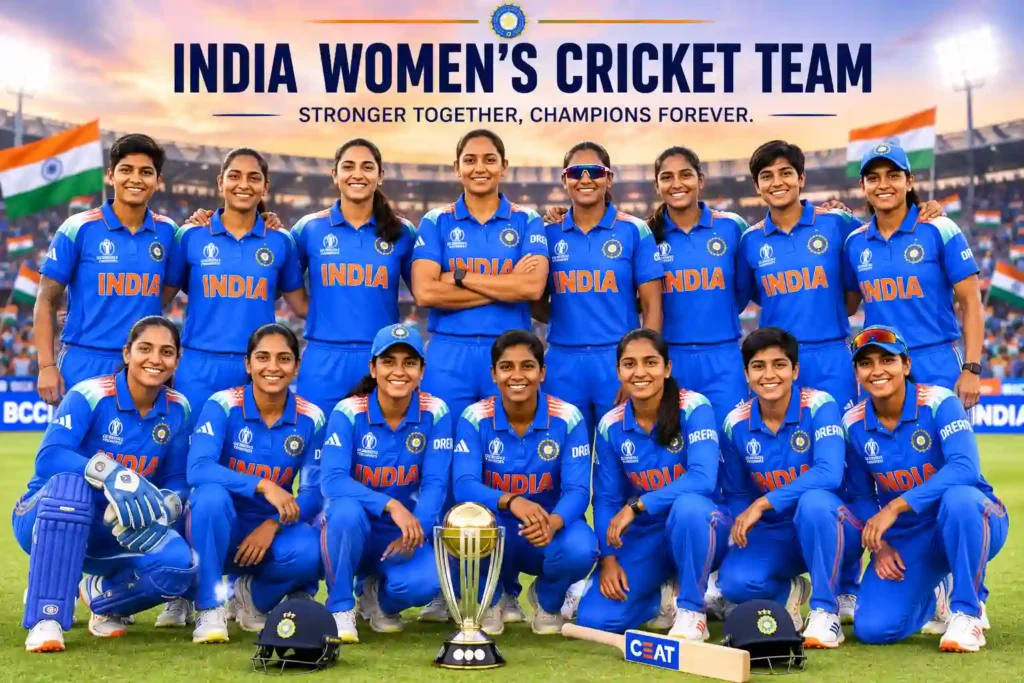
India Women Cricket Team: Squad, Rankings, Records & Latest News Few teams in the women’s game have had a year quite like India Women’s last twelve months. A maiden World Cup title on home soil, a genuinely historic Test win in England, and a painful group-stage exit at the following T20 World Cup — it’s been a stretch that’s swung between the highest highs the program has ever seen and a reminder of how unforgiving the format can be. Here’s the full picture of where India Women stand right now, covering the squad, the leadership, the records, and everything that’s happened along the way. Leadership and Current Setup Harmanpreet Kaur continues to lead India across formats, with Smriti Mandhana serving as her deputy — a pairing that’s become one of the most experienced and trusted partnerships in world cricket over the last several years. Amol Muzumdar heads up the coaching staff as head coach, supported by Aavishkar Salvi as bowling coach and Munish Bali overseeing fielding. That leadership group has faced its share of scrutiny recently. Following India’s early exit at the 2026 T20 World Cup, there’s been growing public conversation about the team’s captaincy structure going forward, with Mandhana herself indicating she’d be open to stepping into a bigger leadership role if required. Nothing formal has changed as things stand, but it’s a storyline worth watching over the coming months as the BCCI reviews the team’s white-ball structure. A Program Built Over Decades India Women’s cricket has a longer history than most casual fans realise. The team played its first Test back in 1976 against West Indies in Bangalore, and its first ODI followed two years later against England at Eden Gardens in Kolkata. For decades, the program operated with a fraction of the resources and public attention given to the men’s team, run separately by the Women’s Cricket Association of India until the BCCI took over administration of the women’s game in 2006 — a shift that gradually brought better contracts, more consistent scheduling, and eventually the kind of investment that’s helped produce the current generation of players. Mithali Raj’s two-decade international career, spanning from the late 1990s into the early 2020s, effectively bridged those two eras — she captained India through some genuinely lean years before handing over a program that was finally starting to receive the structural support it had long been missing. The launch of the Women’s Premier League in 2023 marked another significant turning point, giving Indian players regular exposure to franchise cricket, higher pay, and direct competition against top international players outside of the usual bilateral and ICC event calendar. It’s difficult to overstate how much that single development has reshaped the pathway from domestic cricket to the senior national team over just a few short years. Where India Sit in the Rankings As of the most recent ICC rankings, India sit third in both the Women’s ODI and Women’s T20I team rankings — a position that reflects a side capable of beating anyone on their day, while still sitting just behind the very top tier occupied by Australia and, depending on the week, England or South Africa. For the exact current standings, our rankings page tracks where India and every other team sit across all three formats, and if you want a deeper breakdown of how the ranking system itself works, we’ve covered that in detail in our guide to women’s cricket rankings and records. Rankings shift weekly, so a team’s exact position can move up or down a spot even without playing a match, simply based on how results elsewhere in the format affect the overall points calculation. The Historic 2025 World Cup Win The high point of this era of Indian women’s cricket came on November 2, 2025, when India beat South Africa by 52 runs at the DY Patil Stadium in Navi Mumbai to win the ICC Women’s Cricket World Cup for the first time in the program’s history. It was India’s third appearance in a World Cup final, after painful losses to Australia in 2005 and to England by a single-figure margin in 2017 — both of which had made this title feel overdue by the time it finally arrived. Shafali Verma was named player of the match in the final, and the tournament as a whole saw India’s all-rounder Deepti Sharma named Player of the Tournament for her contributions across the knockout rounds. A crowd of nearly 40,000 packed into the stadium for the final, a scale of attendance that had historically been associated almost exclusively with the men’s game, and it’s the kind of moment that program administrators point to when discussing the long-term impact of investing seriously in the women’s setup. A Historic Test Win at Lord’s If the World Cup was the standout achievement of 2025, mid-2026 produced its own landmark moment. In July 2026, India secured a historic Test win against England at Lord’s — a result that added to a Test résumé that’s been steadily growing since India’s return to more regular red-ball cricket in recent years. India have played 42 Tests in total since their first back in 1976, and while Test matches remain far rarer for women’s teams than white-ball cricket, results like this one carry outsized significance precisely because there are so few opportunities to achieve them. The T20 World Cup 2026 Disappointment Not every recent chapter has been a positive one. At the 2026 ICC Women’s T20 World Cup in England, India’s campaign ended in the group stage after a six-wicket defeat to Australia at Lord’s in their final group match — a result that eliminated India from semi-final contention for the second consecutive T20 World Cup. Harmanpreet Kaur produced a defiant response with the bat, smashing the fastest half-century by an Indian in Women’s T20 World Cup history off just 25 balls, including three consecutive sixes in the final over, but it wasn’t enough to overhaul Australia’s chase. Earlier in that same tournament, India had beaten
Women’s Cricket Rankings & Records: Best Complete 2026 Guide
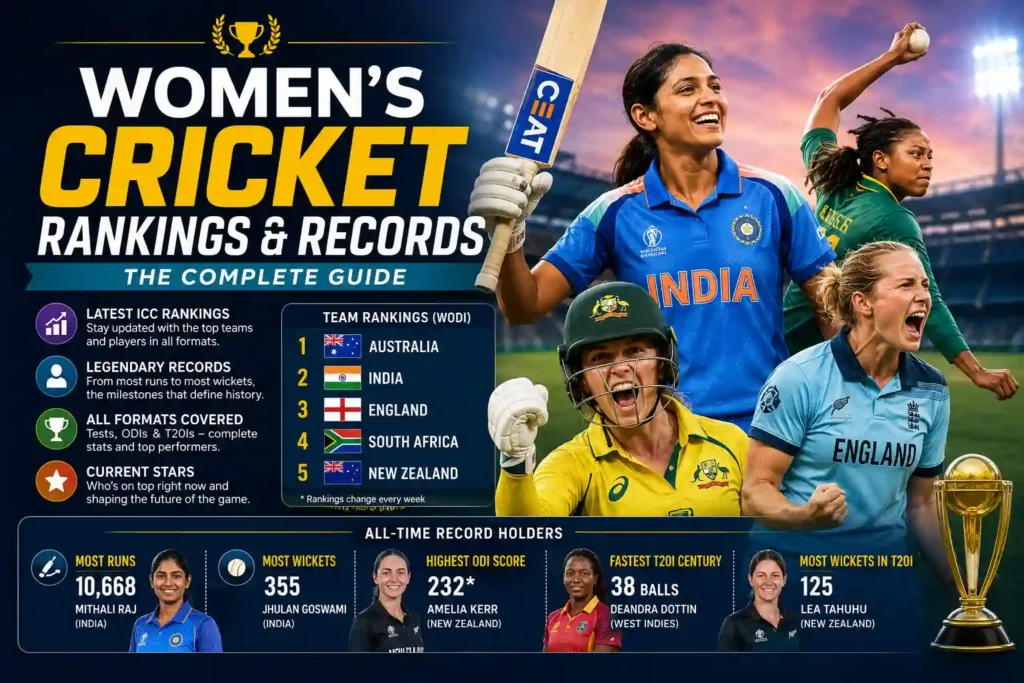
Women’s Cricket Rankings & Records: The Complete Guide Two questions come up constantly among women’s cricket fans: who’s actually the best right now, and who’s the best of all time. The first one is what the ICC rankings are built to answer, updated every week based on recent form. The second is a much longer story, stretching back to the 1930s and still being rewritten by players who are on the field today. Here’s a full breakdown of both — how the rankings system works, who’s currently near the top of it, and the records that define the sport’s history. How ICC Women’s Rankings Actually Work The ICC rankings system for women’s cricket was devised by statistician David Kendix and covers both team and player rankings across all three formats — Tests, ODIs and T20Is. It’s updated weekly, with new figures typically released every Tuesday, so the numbers you see on a Wednesday can look slightly different from what you’d have seen the previous Monday. The system works on a ratings-points basis rather than a simple win-loss table. For player rankings, batting performance is scored using a combination of runs scored, the quality of the bowling attack faced, and how that innings compares to others in the same match — a century against a weak attack in a one-sided game scores differently than the same total against a strong bowling lineup in a tight contest. Bowling rankings work in a similar way, weighting wickets by the quality of batter dismissed, runs conceded, and the match situation. New players have a damping factor applied early in their careers, which is why a player can put together a couple of outstanding performances without immediately rocketing to the top of the list — the system wants a body of form, not just a hot streak. It’s a deliberately conservative approach, designed to reward sustained excellence over a single standout series, which is part of why the names near the top of these lists tend to stay fairly consistent from one month to the next rather than reshuffling completely after every tournament. Team rankings work differently, dividing total points earned across matches and series by the number of matches or series played, similar in concept to a batting average. Currently 10 teams are ranked in the WODI system, while WT20I rankings include every eligible ICC member nation, following the decision to grant full T20I status to matches involving all ICC members — a change that dramatically widened the pool of teams officially tracked in the shortest format compared to just a few years ago. Who’s Near the Top Right Now Rankings shift week to week, so treat any specific position as a snapshot rather than a permanent state — but the general shape of the top of the game has been fairly consistent recently. In WODI batting, India’s Smriti Mandhana has been the standout performer, pushing well clear of the chasing pack on the back of a run of strong tournament form, including a century against New Zealand and other significant contributions through a home World Cup campaign. Australia’s Ashleigh Gardner has typically sat close behind her. Among WODI bowlers, England’s Sophie Ecclestone has been the dominant figure for an extended stretch, with Australia’s leg-spinner Alana King establishing herself as one of the closest challengers to that top spot, generally just ahead of teammate Ashleigh Gardner in the bowling list. For the exact, up-to-the-week rankings, the official ICC women’s rankings page is the definitive source, broken down separately for WODI and WT20I batting, bowling and all-rounder categories. ESPNcricinfo’s rankings section is another reliable way to cross-check the same figures alongside historical ranking data. Team Rankings: Who’s Actually at the Top Player rankings tend to get the most attention, but team rankings matter just as much for understanding where the sport currently stands. Australia have generally sat at or near the top of both the WODI and WT20I team rankings for most of the last decade, a reflection of the kind of squad depth that lets them absorb injuries or retirements without dropping off significantly. India, England and South Africa have all closed that gap considerably in recent years, and it’s genuinely common now for the gap between the top three or four teams to be thin enough that a single bilateral series result can shuffle the order. That tightening at the top is one of the more encouraging signs for the sport overall. A decade ago, it was fairly rare for more than two or three teams to be considered genuine title contenders at a World Cup. Now, on current form, arguments can reasonably be made for at least four or five different sides heading into most major tournaments, which makes the team rankings table considerably more interesting to follow than it used to be. All-Rounder Rankings Tell a Different Story Batting and bowling rankings get most of the attention, but the all-rounder category is worth watching separately, since it captures a different kind of value entirely. Players who rank highly here — the Ellyse Perrys, Ashleigh Gardners and Marizanne Kapps of the world — tend to be the ones captains build entire team balances around, since a genuine all-rounder effectively gives a side an extra specialist without using up an additional squad spot. A team with two or three players capable of ranking inside the all-rounder top ten has a selection flexibility that a side built purely around specialists simply doesn’t have, which is part of why national selectors increasingly prioritise developing that kind of player through domestic pathways. Most Runs in Women’s Cricket Across all three formats combined, India’s Mithali Raj holds the record for most international runs by any woman, finishing her two-decade career with 10,868 runs between 1999 and 2022. She’s one of only three players to have passed 10,000 international runs, alongside New Zealand’s Suzie Bates and England’s Charlotte Edwards. Broken down by format, Raj also holds the record for most ODI runs specifically, with 7,805 runs at
Women Cricketers 2026: Top 10 Best Players Ranked
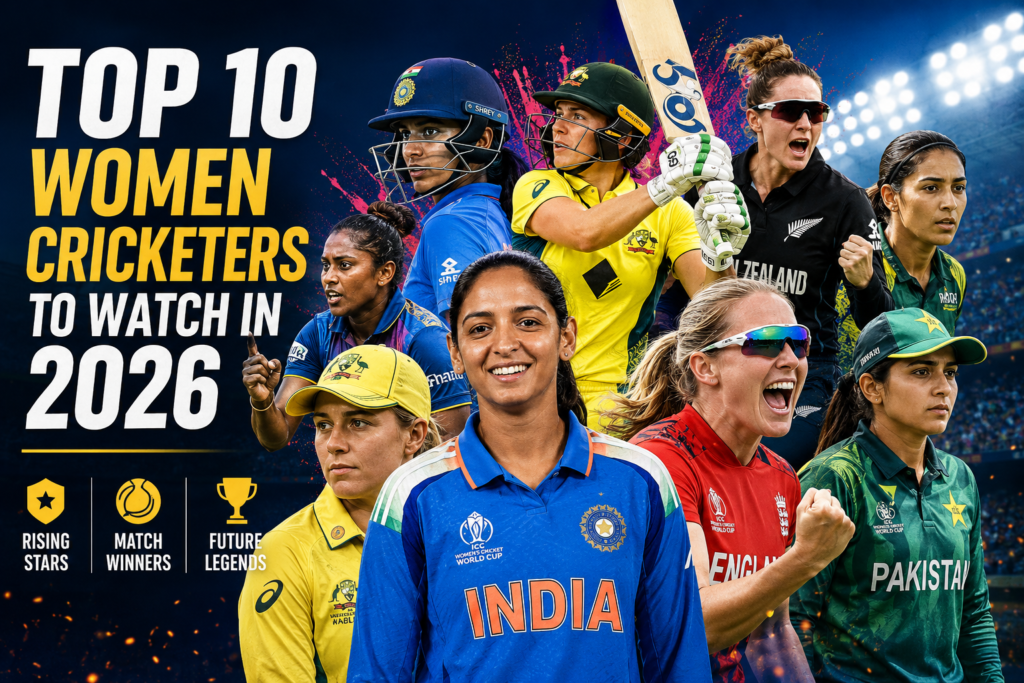
Women Cricketers 2026: Top 10 Best Players Ranked Women’s cricket has changed shape faster than almost anyone expected. Five years ago, a Test match involving a women’s team was a novelty that got a few paragraphs in the back pages. Now full houses turn up for T20Is, broadcasters fight over rights, and young girls in places like Multan and Melbourne grow up with actual posters of cricketers to put on their walls instead of having to borrow their brothers’. 2026 is shaping up to be one of the busiest calendars the women’s game has seen — an Ashes series, a T20 World Cup on the horizon, and franchise leagues stacking up on top of the international schedule. With that much cricket being played, some players are going to define the year. Here are ten who are worth watching, in no particular order, because ranking them strictly would be a fool’s errand given how form swings across formats. There was a stretch last year where Mandhana looked almost unfair to bowl to. Her innings against New Zealand in the World Cup — an unbeaten century built on timing rather than brute force — was the kind of knock that gets replayed in coaching sessions for years. What makes her dangerous isn’t just the strike rate, it’s how little she seems to need to force anything. The ball just goes. She’s currently sitting at the top of the ODI batting rankings by a wide margin, and the players closest to her know it. If India are going to win a global white-ball title with her in the side, 2026 might be the year it happens. Anyone tracking her numbers can check the official ICC player rankings page, which updates weekly. What’s worth watching this year specifically is how she handles the captaincy pressure that’s increasingly landed on her shoulders. Leading from the top of the order while also being the batter the whole innings is built around is a genuinely tough balance, and how she manages that workload across a packed 2026 calendar will say a lot about how the next couple of years shape up for India’s batting order. Left-arm spin doesn’t usually get talked about with the same excitement as fast bowling, but Ecclestone has made it must-watch cricket. She reads batters like she’s been in the crease with them the whole innings, and her control means captains can throw the ball to her in the powerplay, the middle overs, or the death without blinking. She’s been the top-ranked bowler in the world for so long now that it’s almost background noise, but that consistency is exactly the point. Bowlers who stay at number one for years, not months, are the ones who change how a format is played. Batters now build entire game plans around simply surviving her overs rather than attacking them. England’s white-ball plans in 2026 are built around her availability in a way that few teams can say about a single bowler. Injuries or workload management taking her out of a series tends to show up immediately in how the rest of the attack has to adjust, which is its own kind of compliment. Gardner is the kind of all-rounder who makes selection meetings easy — bat her in the top six, bowl her in the middle overs, and she’ll usually contribute to both columns on the scorecard. What’s changed over the last year or so is how much she’s trusted with the bat in tighter moments, not just as a finisher but as someone who can anchor an innings if the top order collapses. Australia’s depth means players like Gardner often go slightly under-discussed compared to their bigger-name teammates, but ask any opposition coach who they’re worried about and her name comes up fast. Her offspin is also part of the reason she’s so hard to plan for — sides can’t just target her as a batter who bowls a bit, because she’s genuinely capable of turning a match with the ball in helpful conditions too. Verma plays the game like she’s still figuring out fear isn’t supposed to be part of it. That fearless approach at the top of the order has cost her an innings here and there, but it’s also produced some of the fastest fifties in the format’s history. When she connects, bowlers don’t really have an answer — the ball is gone before a captain can rearrange the field. She’s had her share of dips in and out of the T20I side, but her ceiling is high enough that every comeback gets attention. If India want to set totals rather than chase them in 2026, a lot of that plan starts with Verma finding rhythm early in an innings. The bigger question for 2026 is consistency rather than talent — nobody doubts what she’s capable of on her day, but turning explosive one-off innings into a more reliable pattern across a full series is the next step in her development as a senior player rather than just a promising young one. Leg-spin in the women’s game is still relatively rare, which makes King stand out even before you look at her numbers. She has that classic wrist-spinner’s unpredictability, the kind where even her own team isn’t entirely sure which ball is coming next, and that unpredictability has made her one of the toughest bowlers in the world to set a game plan against. Australia’s bowling attack is deep, but King has carved out a role where she’s trusted in exactly the overs most bowlers dread — when a set batter is looking to accelerate and needs to be slowed down without leaking boundaries. She’s also become a genuine weapon in T20 franchise cricket, where captains around the world now specifically design their overseas recruitment plans around fitting a frontline leg-spinner like her into the middle overs. Home advantage matters, and Dar has been central to Pakistan’s recent T20I results on their own soil. She’s not the most eye-catching batter
ICC Women’s World Cup 2025: Complete Schedule & Best Recap
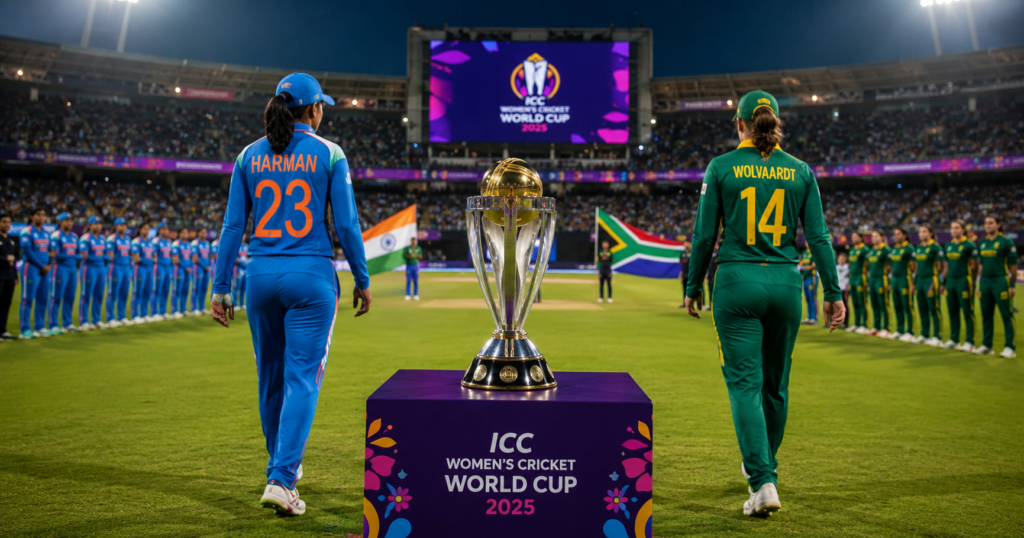
ICC Women’s World Cup 2025 Teams Eight teams participated in the ICC Women’s World Cup 2025, representing the strongest cricket nations in women’s ODI cricket. The participating teams were: Each team played against every other side once during the group stage. The top four teams in the points table qualified for the semi-finals. India India entered the tournament with strong expectations, especially with home advantage. Led by Harmanpreet Kaur, the team produced consistent performances throughout the competition. India’s batting strength, combined with their bowling attack, helped them reach the final and secure their first Women’s World Cup trophy. Australia Australia started the tournament as defending champions after winning the 2022 edition. Known for their dominance in women’s cricket, they remained one of the strongest teams throughout the competition. Although Australia had several impressive performances, they could not defend their title in 2025. England England remained one of the most competitive sides in the tournament. Their experienced players and balanced squad helped them reach the knockout stage. The team showed strong performances during the group matches but missed out on reaching the final. South Africa South Africa had a historic campaign in the ICC Women’s World Cup 2025. They reached their first-ever Women’s World Cup final after impressive performances throughout the tournament. Laura Wolvaardt played a key role with the bat and finished as the leading run-scorer. New Zealand New Zealand brought valuable experience to the tournament. As former Women’s World Cup champions, they entered the competition with a strong cricketing background. Pakistan Pakistan qualified for the tournament through the qualification pathway and represented the growing strength of women’s cricket in the country. Bangladesh Bangladesh secured their place through the qualifiers and continued their development on the international stage. Sri Lanka As co-hosts, Sri Lanka played in front of home supporters and contributed to a memorable tournament atmosphere. ICC Women’s World Cup 2025 Schedule & Fixtures The ICC Women’s World Cup 2025 schedule featured 31 matches played across the group stage and knockout rounds. The tournament started on 30 September 2025 and concluded with the final on 2 November 2025. India and Sri Lanka hosted the competition, with matches taking place across multiple international cricket venues. The group stage followed a round-robin format where all eight teams played against each other once. The top four teams in the points table progressed to the semi-finals. ICC Women’s World Cup 2025 Key Fixtures Stage Match Date Opening Match India Women vs Sri Lanka Women 30 September 2025 Group Stage All teams played seven matches each September – October 2025 Semi Final 1 Top teams from points table 29 October 2025 Semi Final 2 Top teams from points table 30 October 2025 Final Winner SF1 vs Winner SF2 2 November 2025 The complete official fixture list included all group matches, knockout games, and results from the tournament. ICC Women’s World Cup 2025 Venues The ICC Women’s World Cup 2025 was hosted by India and Sri Lanka, making it a historic edition with matches played across both countries. The tournament used five main venues to provide fans from different regions the opportunity to watch international women’s cricket. Major Tournament Venues India Venues Guwahati Indore Visakhapatnam Navi Mumbai Sri Lanka Venue Colombo The multi-country hosting arrangement helped expand the reach of women’s cricket and allowed more fans to experience World Cup matches. ICC Women’s World Cup 2025 Format The tournament followed a simple and competitive ODI World Cup structure. Group Stage All eight teams competed in a single round-robin format. Each team played: Teams received: If teams finished level on points, Net Run Rate (NRR) was used as the deciding factor. Knockout Stage After the group matches: This format ensured that every match remained important because teams had limited opportunities to recover after losses. ICC Women’s World Cup 2025 Points Table The group stage produced a highly competitive points table, with several teams fighting closely for semi-final qualification. Position Team Matches Wins Points 1 South Africa 7 5 10 2 India 7 5 10 3 Australia 7 5 10 4 England 7 4 8 5 New Zealand 7 3 6 6 Bangladesh 7 2 4 7 Pakistan 7 1 2 8 Sri Lanka 7 1 2 South Africa, India, and Australia all finished with 10 points, making Net Run Rate a crucial factor in determining positions before the knockout stage. ICC Women’s World Cup 2025 Semi-Finals and Final Recap The knockout stage delivered some of the most memorable moments of the tournament. Semi-Finals India faced Australia in one semi-final, while South Africa played England in the other. India continued their strong tournament form and secured a place in the final. South Africa also created history by reaching their first-ever Women’s World Cup final after defeating England. ICC Women’s World Cup 2025 Final The final was played between: India Women vs South Africa Women India produced a historic performance and won their first-ever Women’s Cricket World Cup title. The victory was especially significant because India had previously reached World Cup finals but had never lifted the trophy. South Africa finished as runners-up after an outstanding campaign that saw them reach their first World Cup final. ICC Women’s World Cup 2025 Players to Watch Several players delivered exceptional performances throughout the tournament. Laura Wolvaardt (South Africa) Laura Wolvaardt was one of the standout batters of the competition. She finished as the leading run-scorer with 571 runs, playing a key role in South Africa’s historic journey to the final. Deepti Sharma (India) Deepti Sharma was one of India’s most influential players. Her all-round performances helped India during crucial knockout matches, and she finished as the leading wicket-taker with 22 wickets while winning Player of the Tournament. Smriti Mandhana (India) Smriti Mandhana remained one of India’s biggest batting strengths. Her ability to score quickly at the top of the order made her one of the most important players for India. Alyssa Healy (Australia) As an experienced international player, Alyssa Healy continued to be a key figure in Australia’s batting
Women’s Ashes Explained: 7 Essential Rules, Best Guide
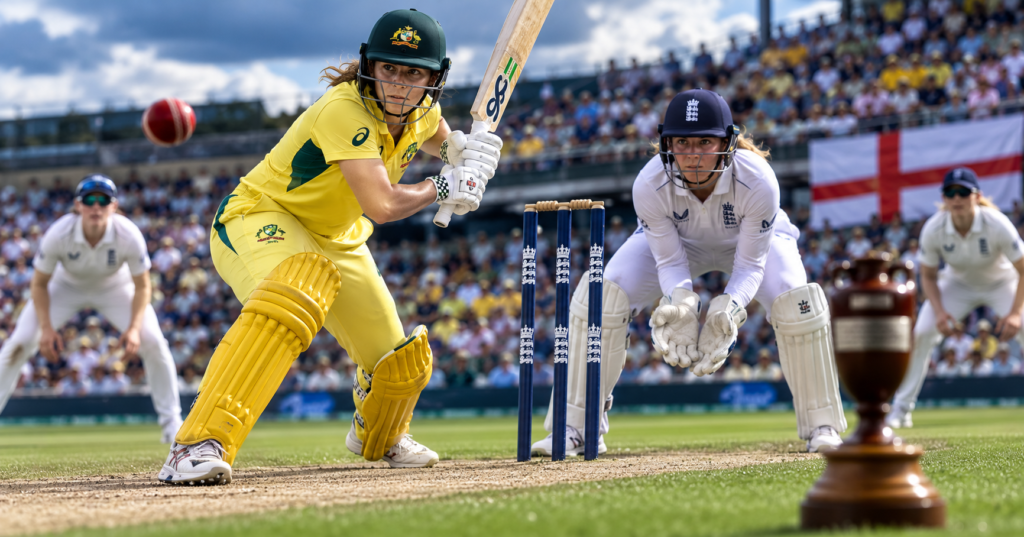
Women’s Ashes Explained: 7 Essential Rules, Best Guide Ask a casual cricket fan what the Ashes is and they’ll tell you about Australia and England fighting over a tiny urn every couple of years. Ask them about the Women’s Ashes and you’ll usually get a blank look, which is a shame, because it’s arguably a more interesting contest than the men’s version — mostly because of one quirky decision the boards made back in 2013 that changed how the whole series works. Instead of just playing a Test match, or a T20 series, or an ODI series and calling it a day, the Women’s Ashes combines all three formats into one single points race. Whoever ends up with the most points at the end wins the urn. It sounds simple written down like that, but the details of how those points are handed out are what make this series genuinely different from anything else in international cricket. Where the Women’s Ashes Actually Came From Australia and England have been playing each other in women’s cricket since the 1930s, long before most people were paying attention. But the Women’s Ashes as a formal, named contest with an actual trophy only started in 1998, when the Women’s Cricket Association handed over a specially made urn — much smaller and less battered-looking than the men’s one, but symbolically just as loaded. For years it stayed a fairly low-key affair, usually decided by a single Test match the way the men’s Ashes traditionally was. Then in 2013, both boards agreed to something that hadn’t really been tried before at this level: turn the entire multi-format tour into one combined points table. A team could lose the Test and still win the Ashes overall if they dominated the white-ball games, or vice versa. It changed the psychology of the whole series overnight. Current Women’s Ashes Format As things stand, the Women’s Ashes is played as one Test match, three ODIs, and three T20Is — the same multi-format structure that’s been in place since it was introduced. The series alternates hosting duties between Australia and England, and the order in which the formats are played has varied from tour to tour; some series have opened with the white-ball matches and finished with the Test, while others have gone the other way. The one detail that does move around between editions is the length of the Test itself. It’s been played as both a four-day and a five-day match in different series, depending on what the host board and both teams agree to going in. Everything else — the points on offer, the number of matches, the overall multi-format structure — has stayed consistent since the system was introduced. How the Points Actually Work This is the part that trips people up the first time they hear it, so it’s worth breaking down properly. The points aren’t split evenly. A Test match, being the longest and most physically demanding format, carries the heaviest weight — worth double what a single white-ball win is worth. Here’s how it actually breaks down: Format Matches Played Win Draw / Tie No Result Test 1 4 points 2 points each — ODI 3 2 points 1 point each 1 point each T20I 3 2 points 1 point each 1 point each So a single Test win is worth as much as two full ODI or T20I victories combined. That single detail changes everything about how captains approach the red-ball leg of the tour. A team that knows it’s weaker in the shorter formats will often go all-in on winning the Test outright, because those four points can basically decide the whole series before a single T20I is even bowled. For the latest schedule and start times of any ongoing multi-format series, the full fixture list is worth checking alongside the points breakdown above. It also means a drawn Test isn’t a wasted result the way a draw sometimes feels in a standalone Test series. Both sides walk away with two points regardless of how the draw came about — there’s no separate bonus for a first-innings lead the way some other multi-format points systems use. That flat split still shapes how teams approach the final day, though: a side well behind on the white-ball points knows a draw at least keeps them level with the Test points on the table, so batting out the day for safety is often the smarter option than chasing a risky declaration. Why This Format Actually Works Better Than It Sounds The obvious criticism when this system was introduced was that it would confuse casual fans, and to be fair, it did for a while. But it solved a real problem. Women’s Test cricket has historically been played far less often than the men’s game — sometimes only one Test a year, if that — which meant a standalone Test series wasn’t really viable as the sole decider. Folding it into a bigger points race gave the Test match actual context and stakes, rather than being a one-off exhibition sandwiched between the white-ball games that fans and broadcasters actually cared more about. It’s also produced some genuinely dramatic finishes. There have been Ashes series where the entire result came down to the very last T20I, with both sides knowing exactly how many points were on the table and adjusting their tactics accordingly — declaring aggressively in a T20 chase, or bowling defensively to protect a lead, purely because of where the points sat. The Rivalry Behind the Numbers Format aside, what makes this series compelling is that Australia and England genuinely don’t like losing to each other. Both boards have invested heavily in their women’s programs over the last decade, and both have produced deep enough squads that neither side can afford to treat the other as an easy fixture. Australia have generally had the upper hand in terms of overall trophies and consistency — their depth across batting, spin and pace has been the